M. Sc. Kirsi Louhelainen
M. Sc. Kirsi Louhelainen works developing tailored-made software for real-life business problems. In other words, her work mainly concerns customized Machine Learning (ML) tools to automate ordinary business transitions such as forecasting demand, predicting bankruptcy, dynamic pricing, etc. She studied a bachelor's degree in computer science and obtained a master's degree in the Helsinki University of Technology (TKK) in Finland. Currently she works in Amazon Web Services (AWS), helping businesses with technology, cloud, data, and Artificial Intelligence (AI).

ML/AI in real life: how to get value instead of getting academic exercise
26/marzo/2021 Seminario PISIS-UANL 2021 Asistencia : 30
Introduction
AI and ML have an enormous potential for helping businesses to reach a higher performance and to improve their operations. However, there is a mismatch between the technological realities and their practical applications. M.Sc. Louhelainen outlines a map of the key problems and hindrances in implementing AI and ML solutions to companies, and shares some of the experiences in project development and gives us some recommendations to reduce the risks of failure.
Summary:
As the title of the talk suggests, Kirsi aims to make ML and
AI operational enough to solve many hindrances ordinary
business face on a daily basis. The problems may vary but it
is required more than producing software,deal with data
analysis and even with team managing. This talk is a summary
of her own learning process and lessons absorbed during her
professional career. It ispointed out that very few ML
projects can make it into production, as In 2020, only 53
percent of them make it into the final stage. There are many
issues stopping the potential of ML mainly regarding
operations, maintenance and even the timing in business
processes or coordination and communication between
different kinds of professionals and professions.
She narrates five stories embedded with key lessons for the audience. The first one deals with a project for automating an accounts paying system. An important lesson here is assessing the nature of the problem well before developing an algorithm, it would be better to look at the tools available first and select the most fitting one. There are cases that do require a specific algorithm, like the case of a company running a global warehouse which they helped out, but most operational improvements can be tackled in other, more efficient ways. The second case also turned out complicated and she highlighted the many problems between data scientists and software developers and how the true dimensions of the problem go beyond coding. One piece of advice she provides is to avoid letting a data engineer rewrite the code for production. It is much better to have the same person responsible for doing the whole process, from testing data to production. The third story concerns the importance of good data analyzing (in this case contained in XMLs files) by revising and fixing the data; they managed to have a 12 per cent improvement in three weeks. So, she concluded that the quality of the data is critical. In the end, the algorithm was secondary yet and it was important to figure out the best. The most typical problems she has found are connected with typos, human data errors, discrepancies between systems, erroneous specifications and data structure changes on the fly. In complicated cases a data scientist may be extremely relevant. The fourth story revolves around an accommodation website that needed dynamic pricing and the problem was maintenance. She mentions basic maintenance issues such as alerts, debugging, server upgrades, library updates and security patches. Yet a critical point concerns where to store the models, keep safe its different versions in case of any hazard and ensure the model keeps updated even if data changes resorting to CI-CD practices. The fifth story concerns human resources evaluations as a way of updating their recruitment software. The final story pertains to the case of a construction company that only needed a better way of updating their data and she proposed only to rely on Google Forms. The later cases mirror a larger problem she wants to address concerning the lack of maturity in data practices, methods, and basic analytics that could be easily incorporated into machine learning processes but remain poorly developed in businesses. In a way, she concludes that projects should align themselves with specific needs and curiosity is a key skill to devise the nature of the problem and its specific solution.
She considers it necessary to combine well the different skills from data scientists and software developers to build up a team able to detect problems with how data is gathered and how it will be used, updated and maintained. Teamwork and trust also comes in handy as a way to solve problems and a good antidote against all eventualities.
Conclusions
The main conclusion hints at finding fitting solutions to problems beyond developing an algorithm. Most problems can be addressed with other tools and strategies. In fact, for standard problems and practices in business there are already well developed softwares that can be employed successfully after a good evaluation and test. The key of the matter consists on understanding well the nature of the business and its problem and devising a solution accordingly. In this fashion, it is more likely to come up with an idea better aligned with the business needs. A major hindrance comes with the quality of the data. After all, after fixing the data the problem may disappear. In the end, she discovered more problems related to administration and implementation of solutions rather than with the specifics of programming (code versioning, model repositories, storage features, tools for continuous model building and testing and monitoring models).
Enlaces relevantes
Reseñas anteriores
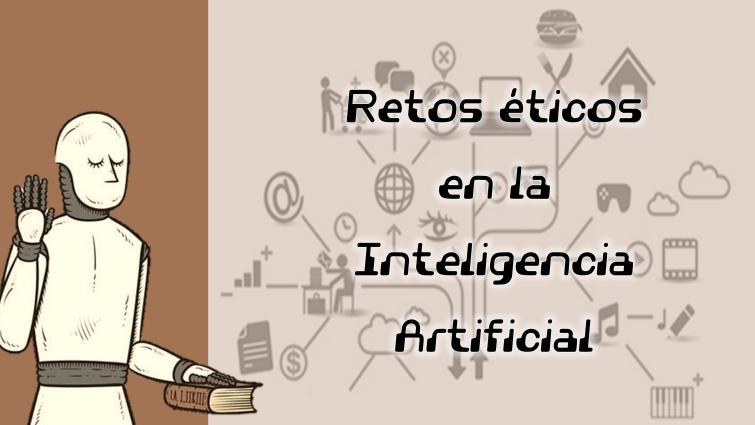
Retos éticos en la inteligencia artificial
En esta sesión los doctores Elisa Schaeffer, Romeo Sánchez y Arturo Berrones debatirán sobre los retos actuales de la Inteligencia Artificial (IA) desde una perspectiva de ética. Además, comentarán sobre las limitaciones de la IA, así como posibles soluciones a futuro de las mismas.
Leer
Ciencia de Datos, Apoyo a la Decisión Multicriterio e Investigación de Operaciones en Industria 4.0
En esta sesión el Dr. Fernando López Irarragorri comentará sobre la utilización de técnicas de ciencia de datos, ciencia de la decisión (Apoyo a la Decisión Multicriterio) e investigación de operaciones como parte de una propuesta metodológica de apoyo a la toma de decisiones para enfrentar problemas que surgen en el marco de la industria 4.0.
Leer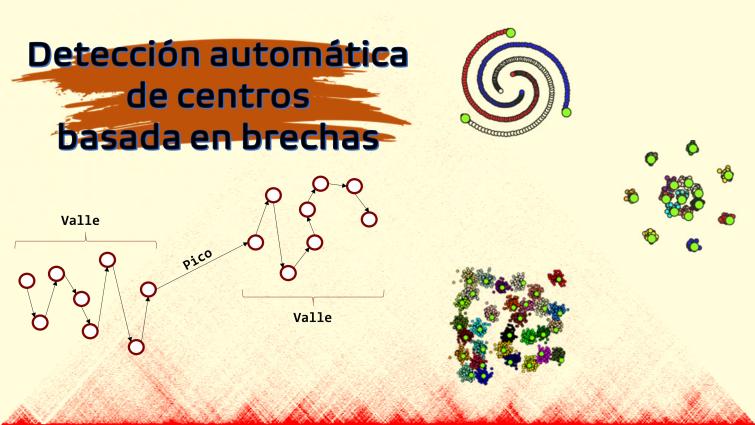
Agrupamiento de picos de densidad con detección automática de centros basada en brechas
En esta sesión la Dra. Sara Elena Garza Villarreal comentará sobre una propuesta, en la cual combina la herramienta Clustering basado en densidad con la detección automática de centros basada en brechas. Además muestra cómo se puede obtener agrupamientos de calidad y también predecir el número de grupos con exactitud mediante esta técnica.
Leer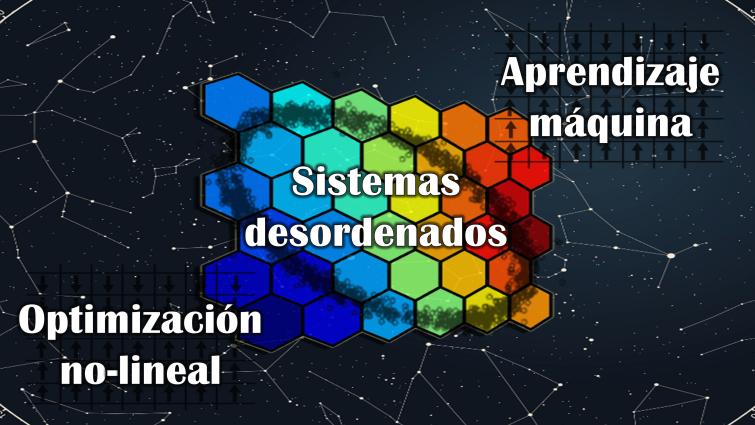
Formulación de la optimización no-lineal y del aprendizaje de máquina como sistemas desordenados
En esta sesión el Dr. Arturo Berrones comentará sobre la combinación del aprendizaje automático y la programación matemática, mediante una reformulación de los problemas de optimización (no-lineal y combinatoria) y del aprendizaje de máquina como sistemas desordenados.
Leer
Actividad económica en tiempo real: estandarización de documentos tributarios electrónicos
En esta sesión el M.C. Dagoberto Ramón Quevedo Orozco presentará una metodología de estandarización y utilización de la utilización de los documentos tributarios electrónicos para el seguimiento de la actividad económica en Chile, con la utilización de aprendizaje automático supervisado e ingeniería de datos.
Leer
Problema de programación y dimensionamiento de lotes en la producción de inyección de moldes
En esta sesión la Dra. Yasmín Águeda Ríos Solís presentará una heurística iterativa de dos etapas basada en programación matemática para la solución de un Problema de programación y dimensionamiento de lotes en la producción de inyección de moldes.
Leer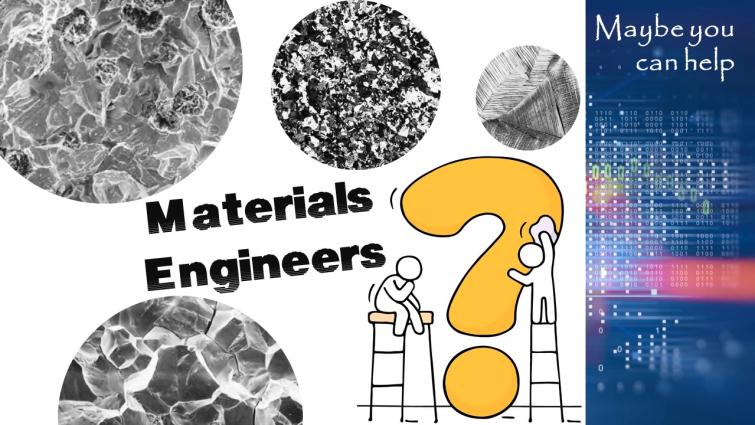
We materials engineers suffer of simulation illiteracy, maybe you can help
In this session the Ph.D. Moisés Hinojosa Rivera will comment about the importance and need for collaboration about simulation, with researchers and students in the areas of computer science and software engineering, given the inexperience of materials engineers in this field.
Leer
Comunicación de la ciencia
En esta primera sesión , los profesores del Posgrado en Ingeniería de Sistemas, Dr. Arturo Berrones y Dra. Elisa Schaeffer, conversan sobre sus percepciones sobre la importancia y las formas que toma la comunicación de la ciencia. Nos compartirán su perspectiva de cómo ésta ha evolucionado, primero con la globalización y la tecnología, y más recientemente por retos actuales como la pandemia de COVID-19.
Leer
Sesgos en la web
En esta sesión el Dr. Ricardo Baeza-Yates aborda el tema del sesgo en los datos en la web, haciendo énfasis en el contexto de los sistemas de búsqueda y recomendación, así como la importancia de reducir el mismo.
Leer
De investigación académica a ciencia de datos empresarial
En esta sección el M.C. José A. Hernández Saldaña comentará sobre las diferencias entre la investigación académica y la empresarial en el área de ciencia de datos.
Leer
Robustez en la red óptica chilena
En esta sesión el Dr. Javier Bustos Jiménez presentará un estudio sobre la robustez de la red óptica chilena y los resultados del mismo.
Leer
Selección de cartera de proyectos
En esta sesión la Dra. Nancy Maribel Arratia Martínez platicará sobre el caso de selección de cartera de proyectos con información imprecisa, tratada mediante números difusos.
Leer
Detección de pre-micro ARNs con CNNs
En esta sesión el M.C. Jorge A. Cordero Cruz comentara sobre las ventajas de la detención de los micro-ARN con el uso de Redes Neuronales Convolucionales (CNNs). Los micro-ARN son microrreguladores de la expresión génica en una gran variedad de tipos celulares y procesos fisiológicos, lo que los convierte en buenos candidatos para su uso como biomarcadores.
Leer
Marca de agua digital
En esta sesión el Ing. Víctor Briones comentara sobre la marca de agua digital, sus usos e importancia.
Leer
Gestión de equipos como ingeniero de software
En esta sesión el M.C. Saúl Gausin Valle, comentará sobre el trabajo en equipo, gestión eficiente e importancia del mismo desde la perspectiva de la Ingeniería de software.
Leer
Vida después del posgrado
En esta sesión el Dr. Luis A. Benavides Vázquez comentará sobre las oportunidades y retos que se pueden presentar al concluir un posgrado, así como algunos consejos para enfrentar el cambio que esto supone.
Leer
Incentivo en la teoría de control
En esta sesión el Dr. Manuel Jiménez discutirá el concepto básico del incentivo en un juego donde existe una jerarquía de dos niveles.
Leer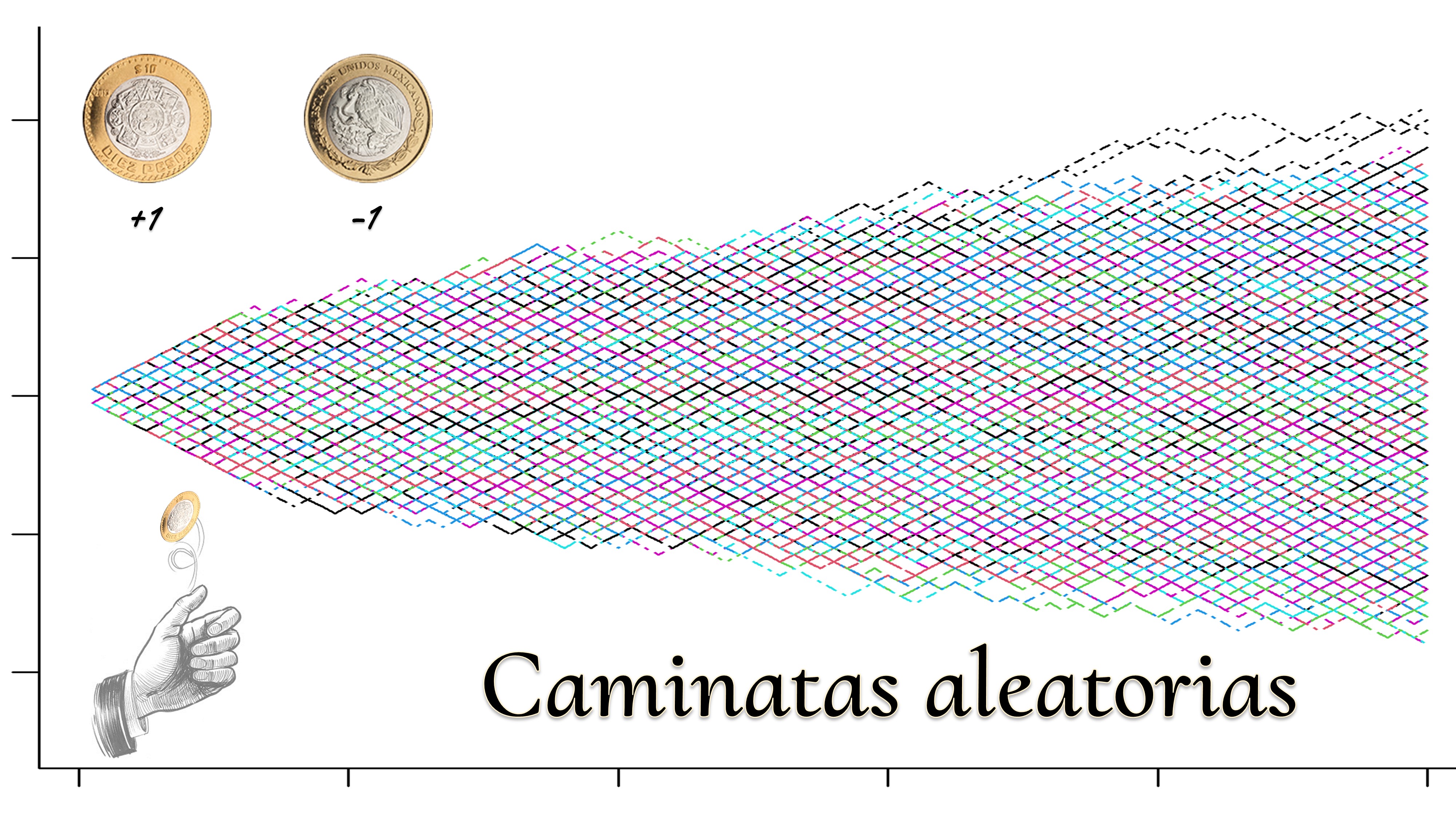
Paseos aleatorios
En esta sesión el Dr. Francisco Javier Almaguer Martínez comentará sobre los paseos aleatorios, lo que estos pueden modelar y algunos aspectos teóricos y prácticos de problemas relacionados con los mismos.
Leer
Autómatas celulares para análisis de datos
En esta sesión la M.C. Astrid González Leyva comentará sobre diferentes variantes de autómatas empleados para análisis de datos, aplicaciones, ventajas y desventajas de los mismos.
Leer
Un problema de localización e inventario
En esta sesión la Dra. Nelly Monserrat Hernández González comentará sobre un problema de localización de instalaciones considerando el inventario en éstas. Además, mostrará la formulación matemática del problema, las técnicas de solución utilizadas y la robustez de las soluciones obtenidas.
Leer
Uso de inteligencia computacional para resolver problemas altamente dimensionales
En esta sesión el Dr. Gregorio Toscano Pulido presentará una introducción al tema de la inteligencia computacional, los paradigmas asociados, así como problemas altamente dimensionales. Además, mostrará datos de interés sobre los grandes volúmenes de información que se generan actualmente cada segundo.
Leer
Distributing Live Video over the Internet
In this session Mr. Logan Hanks will comment about the protocol HTTP Live Streaming (HLS). How does it work, and how does it design affects the experience of live interactive events?
Leer
Evaluaciones multi-método en el contexto de la Psicología Clínica
En esta sesión la Esp. Daniela Escobedo Belloc comentará sobre las evaluaciones multi-método en el contexto de la Psicología Clínica y ejemplificará este enfoque a través de diferentes instrumentos aplicados a casos clínicos.
Leer