Ilona Lundström, D. Sc.
Ilona Lundström received her Ph.D. in administrative science at Tampere University school of management. She worked in various positions at the association of Finnish local and regional authorities, then worked at Tekes in 2007 for the Finnish Funding Agency for Innovation in the business field, most recently as executive director responsible for all tech services for large companies and research organizations. Now is the general director of the enterprise and innovation department at the Ministry of Economic Affairs and Employment of Finland.

The digitalization policy in Finland: case AI and the European struggle
7/may/2021 Seminario PISIS-UANL 2021 Attendance : 25
Introduction
Digital technologies, especially Artificial Intelligence (AI), have become common in services such as health, entertainment, education, shopping, among others. As a result of this evolution, a European commission has presented a vision for 2030, with objectives for a successful digital transformation in Europe and developing a sustainable and human-centered digital future. On this occasion, Ph.D. Ilona Lundström talks about the need to establish regulation for the use of these digital methods in government's decision-making t and the digitization of Finnish industries, aiming to empower people and businesses to create a prosperous and sustainable digital future.
Summary
Europe is a world leader in scientific production with 1.8 million researchers working in universities and research centers, producing thirty percent of the publications in the world. However, Europe does not monetize enough projects, decreasing the opportunity of transferring their cutting-edge knowledge to aid the business sector. Also, there is a lack of access to the data that could be useful for companies and academia. Finally, there is a slow adaptation by small companies to the use of new technologies .
There is not a specific methodology to follow on the solution of these problems, however, Finland focused on the collaboration between companies and academia, by providing economic incentives, creating programs of free courses and panels to make AI more approachable and acknowledged. One of the first political strategies on education consisted of applying an online course aimed at public schools and the general population introducing the basic knowledge of AI whose purpose is to instill confidence in ordinary people to use this technology. This strategy worked very well in Europe.
One more strategy consisted of informing companies about the opportunities and benefits of the use of new technologies in their operations. Another strategy is financing research in AI through international collaborations. Finally, the overall goal is to promote sustainable growth and protect the environment by gradually reducing the carbon footprint until eliminating it by 2035.
Conclusions
The Finish vision for 2030 envisages radical changes in the manufacturing industry by making it more efficient, clean, and digital; providing an improved and accelerated growth of knowledge and technology. However, over regulations of AI could produce unnecessary and heavy administrative burden which rather than helping to develop and to implement it may slow down its growth and hamper the companies performance, particularly of small business.
Links
Previous reviews
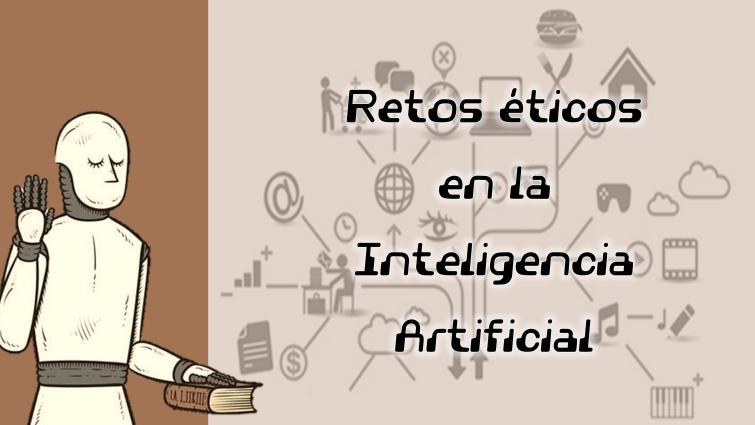
Retos éticos en la inteligencia artificial
En esta sesión los doctores Elisa Schaeffer, Romeo Sánchez y Arturo Berrones debatirán sobre los retos actuales de la Inteligencia Artificial (IA) desde una perspectiva de ética. Además, comentarán sobre las limitaciones de la IA, así como posibles soluciones a futuro de las mismas.
Leer
Ciencia de Datos, Apoyo a la Decisión Multicriterio e Investigación de Operaciones en Industria 4.0
En esta sesión el Dr. Fernando López Irarragorri comentará sobre la utilización de técnicas de ciencia de datos, ciencia de la decisión (Apoyo a la Decisión Multicriterio) e investigación de operaciones como parte de una propuesta metodológica de apoyo a la toma de decisiones para enfrentar problemas que surgen en el marco de la industria 4.0.
Leer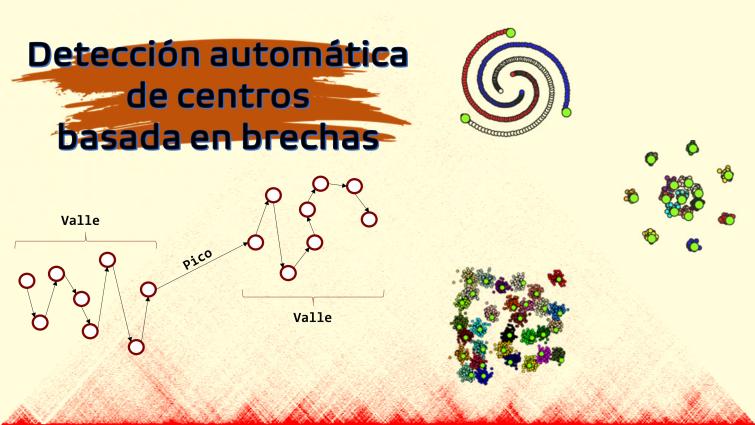
Agrupamiento de picos de densidad con detección automática de centros basada en brechas
En esta sesión la Dra. Sara Elena Garza Villarreal comentará sobre una propuesta, en la cual combina la herramienta Clustering basado en densidad con la detección automática de centros basada en brechas. Además muestra cómo se puede obtener agrupamientos de calidad y también predecir el número de grupos con exactitud mediante esta técnica.
Leer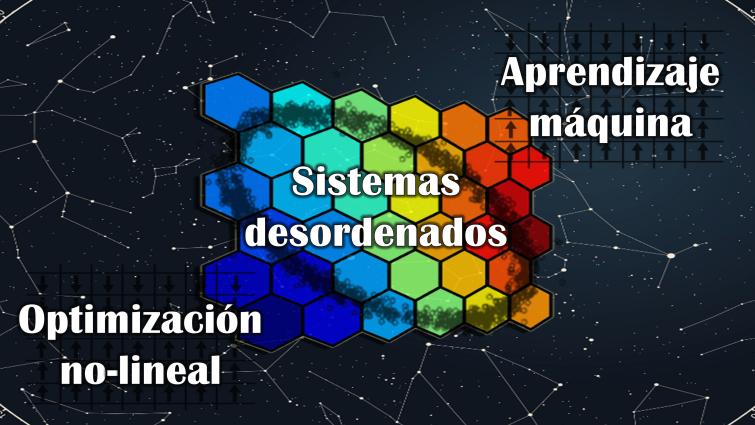
Formulación de la optimización no-lineal y del aprendizaje de máquina como sistemas desordenados
En esta sesión el Dr. Arturo Berrones comentará sobre la combinación del aprendizaje automático y la programación matemática, mediante una reformulación de los problemas de optimización (no-lineal y combinatoria) y del aprendizaje de máquina como sistemas desordenados.
Leer
Actividad económica en tiempo real: estandarización de documentos tributarios electrónicos
En esta sesión el M.C. Dagoberto Ramón Quevedo Orozco presentará una metodología de estandarización y utilización de la utilización de los documentos tributarios electrónicos para el seguimiento de la actividad económica en Chile, con la utilización de aprendizaje automático supervisado e ingeniería de datos.
Leer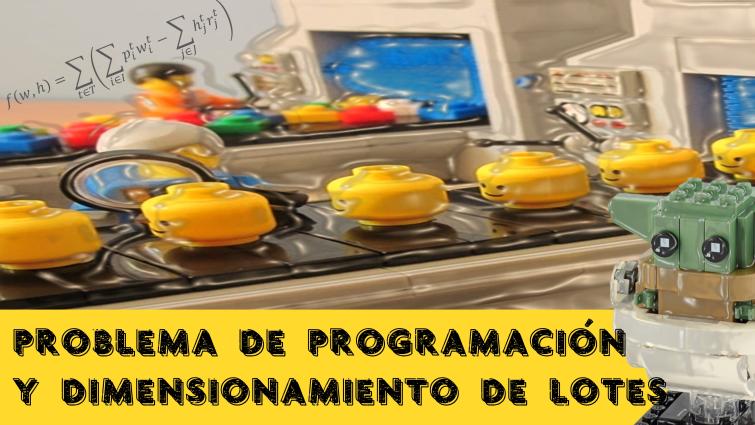
Problema de programación y dimensionamiento de lotes en la producción de inyección de moldes
En esta sesión la Dra. Yasmín Águeda Ríos Solís presentará una heurística iterativa de dos etapas basada en programación matemática para la solución de un Problema de programación y dimensionamiento de lotes en la producción de inyección de moldes.
Leer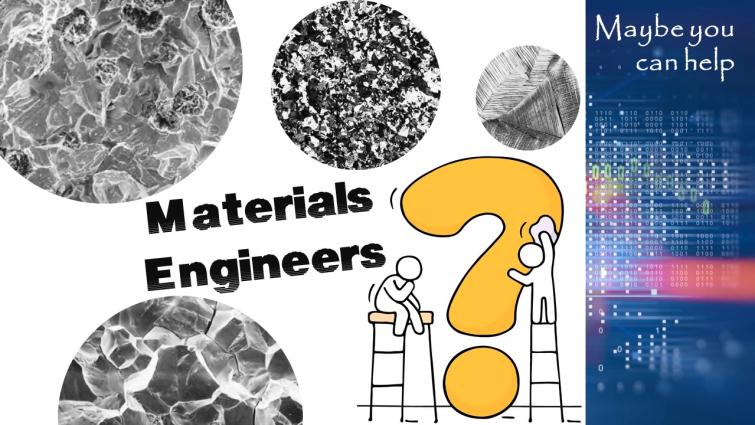
We materials engineers suffer of simulation illiteracy, maybe you can help
In this session the Ph.D. Moisés Hinojosa Rivera will comment about the importance and need for collaboration about simulation, with researchers and students in the areas of computer science and software engineering, given the inexperience of materials engineers in this field.
Leer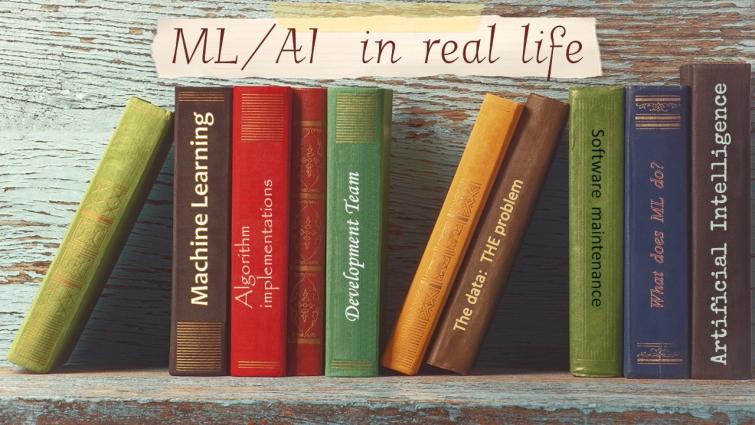
ML/AI in real life: how to get value instead of getting academic exercise
In this session, the M.Sc. Kirsi Louhelainen will comment about the problems that arise when taking Artificial Intelligence (AI) and Machine Learning (ML) prototypes to the real world.
Leer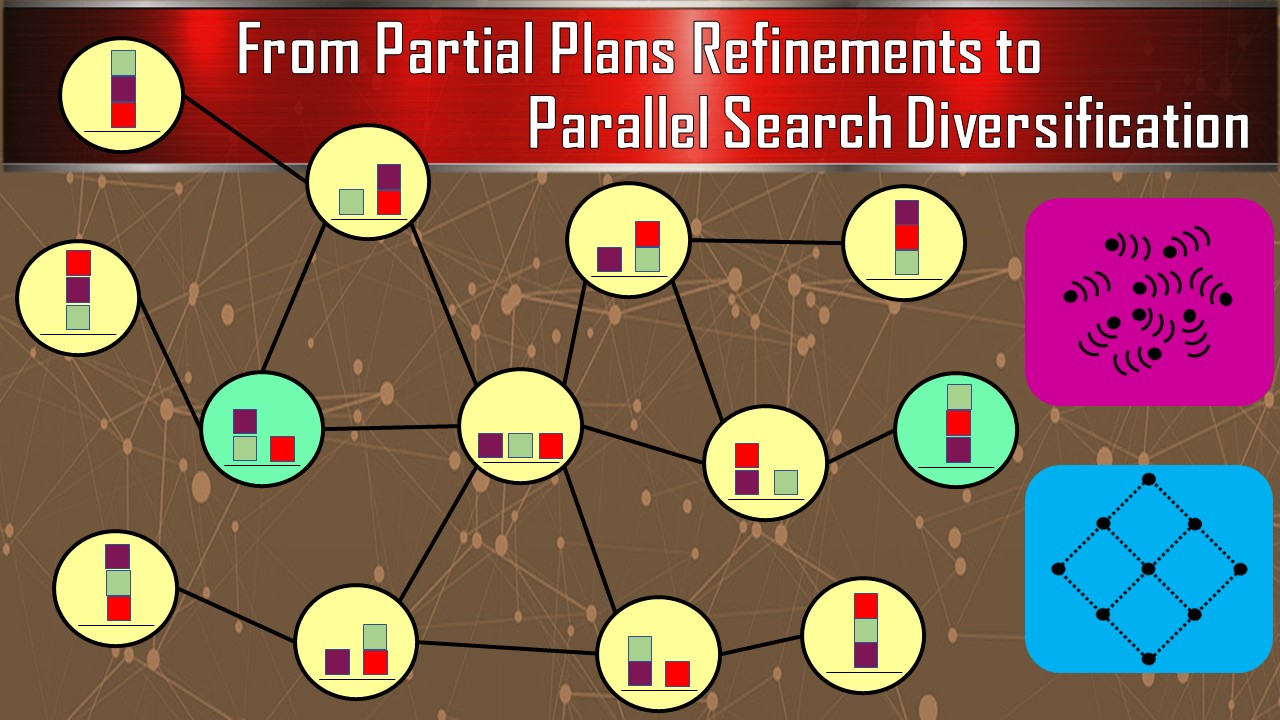
From Partial Plans Refinements to Parallel Search Diversification: Exploring Ideas
In this session, the Ph.D. Romeo Sánchez Nigenda will comment about the interconnections between Partial-Order Planning Algorithms (POP) annealing heuristics and parallel best-first search planning and discuss ideas on how these heuristics are used to diversify parallel search.
Leer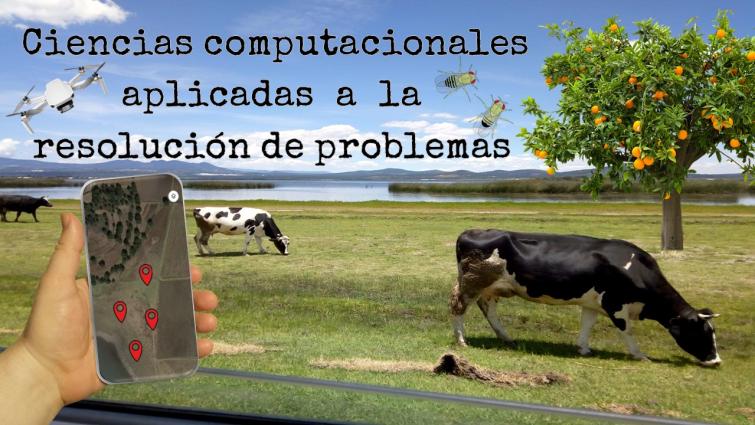
Las ciencias computacionales aplicadas a la resolución de problemas en el sector agropecuario
En esta sesión la Dra. Tania Turrubiates López comentará sobre las problemáticas que aquejan al sector agropecuario y como se pueden enfrentar con la aplicación de los conocimientos de las ciencias computacionales.
Leer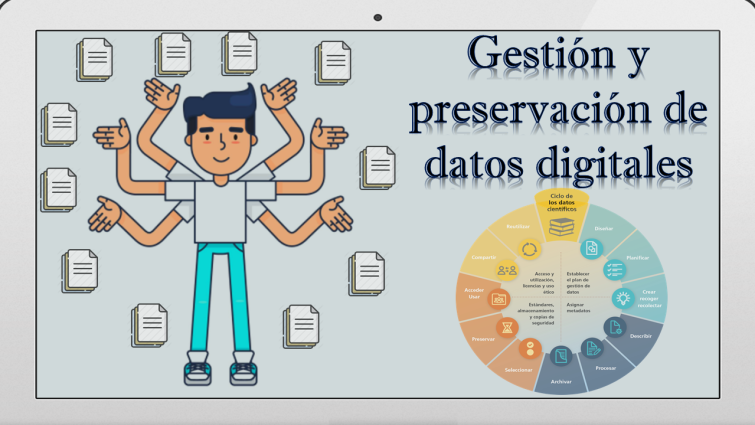
Gestión y preservación de datos digitales para investigadores y estudiantes de posgrado
En esta sesión el Lic. Dagoberto Salas Zendejo comentará sobre la importancia de una buena gestión y preservación de los datos de investigación. Además, dará algunas recomendaciones esenciales en dicha gestión de datos.
Leer
Comunicación de la ciencia
En esta primera sesión , los profesores del Posgrado en Ingeniería de Sistemas, Dr. Arturo Berrones y Dra. Elisa Schaeffer, conversan sobre sus percepciones sobre la importancia y las formas que toma la comunicación de la ciencia. Nos compartirán su perspectiva de cómo ésta ha evolucionado, primero con la globalización y la tecnología, y más recientemente por retos actuales como la pandemia de COVID-19.
Leer
Sesgos en la web
En esta sesión el Dr. Ricardo Baeza-Yates aborda el tema del sesgo en los datos en la web, haciendo énfasis en el contexto de los sistemas de búsqueda y recomendación, así como la importancia de reducir el mismo.
Leer
De investigación académica a ciencia de datos empresarial
En esta sección el M.C. José A. Hernández Saldaña comentará sobre las diferencias entre la investigación académica y la empresarial en el área de ciencia de datos.
Leer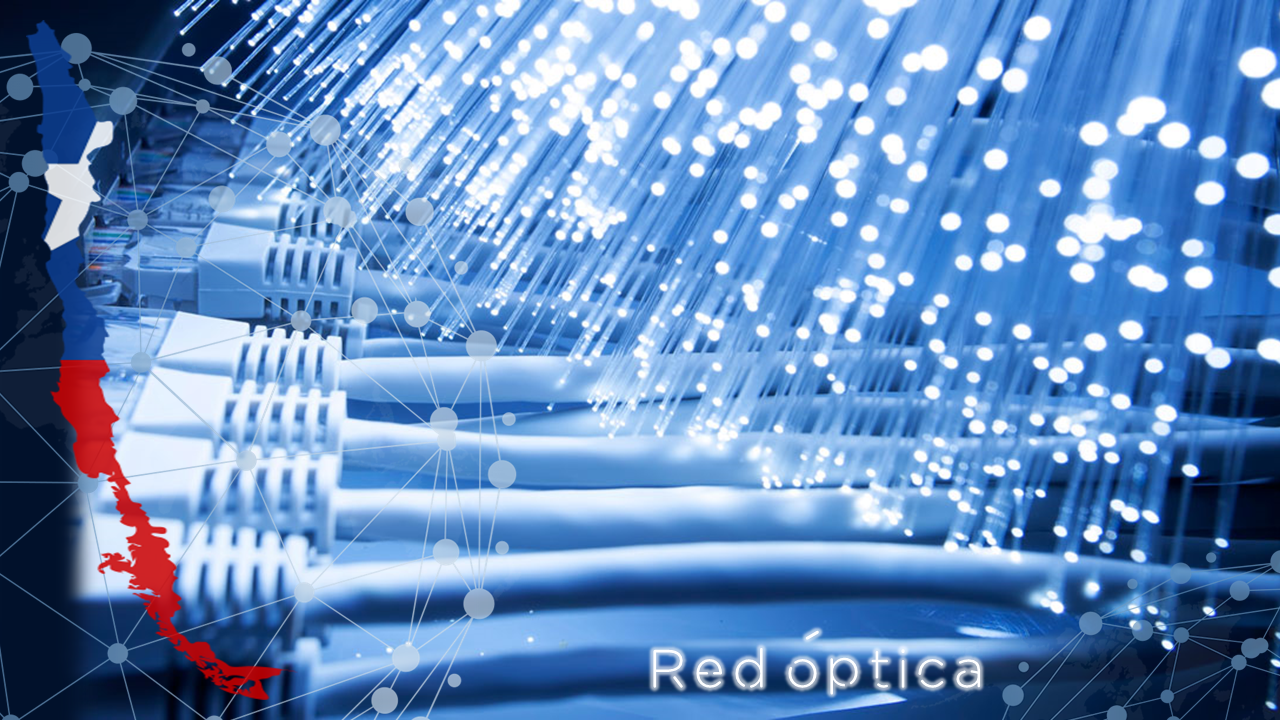
Robustez en la red óptica chilena
En esta sesión el Dr. Javier Bustos Jiménez presentará un estudio sobre la robustez de la red óptica chilena y los resultados del mismo.
Leer
Selección de cartera de proyectos
En esta sesión la Dra. Nancy Maribel Arratia Martínez platicará sobre el caso de selección de cartera de proyectos con información imprecisa, tratada mediante números difusos.
Leer
Detección de pre-micro ARNs con CNNs
En esta sesión el M.C. Jorge A. Cordero Cruz comentara sobre las ventajas de la detención de los micro-ARN con el uso de Redes Neuronales Convolucionales (CNNs). Los micro-ARN son microrreguladores de la expresión génica en una gran variedad de tipos celulares y procesos fisiológicos, lo que los convierte en buenos candidatos para su uso como biomarcadores.
Leer
Marca de agua digital
En esta sesión el Ing. Víctor Briones comentara sobre la marca de agua digital, sus usos e importancia.
Leer
Gestión de equipos como ingeniero de software
En esta sesión el M.C. Saúl Gausin Valle, comentará sobre el trabajo en equipo, gestión eficiente e importancia del mismo desde la perspectiva de la Ingeniería de software.
Leer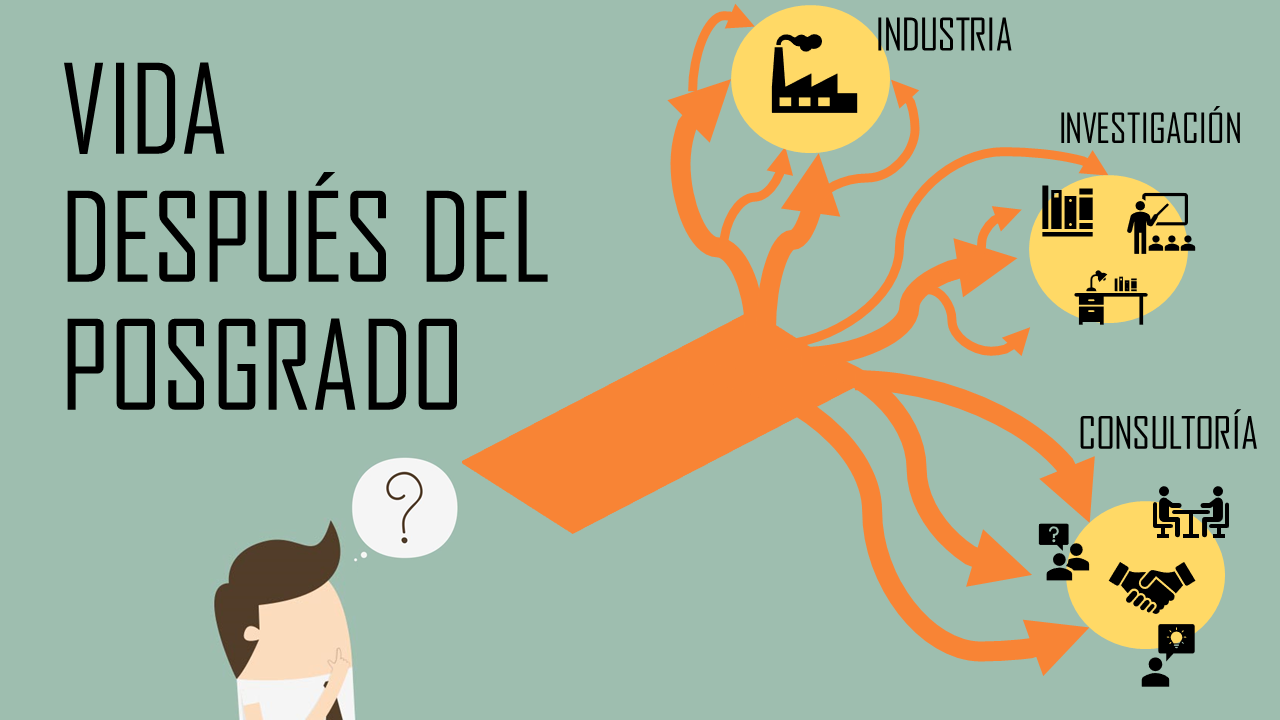
Vida después del posgrado
En esta sesión el Dr. Luis A. Benavides Vázquez comentará sobre las oportunidades y retos que se pueden presentar al concluir un posgrado, así como algunos consejos para enfrentar el cambio que esto supone.
Leer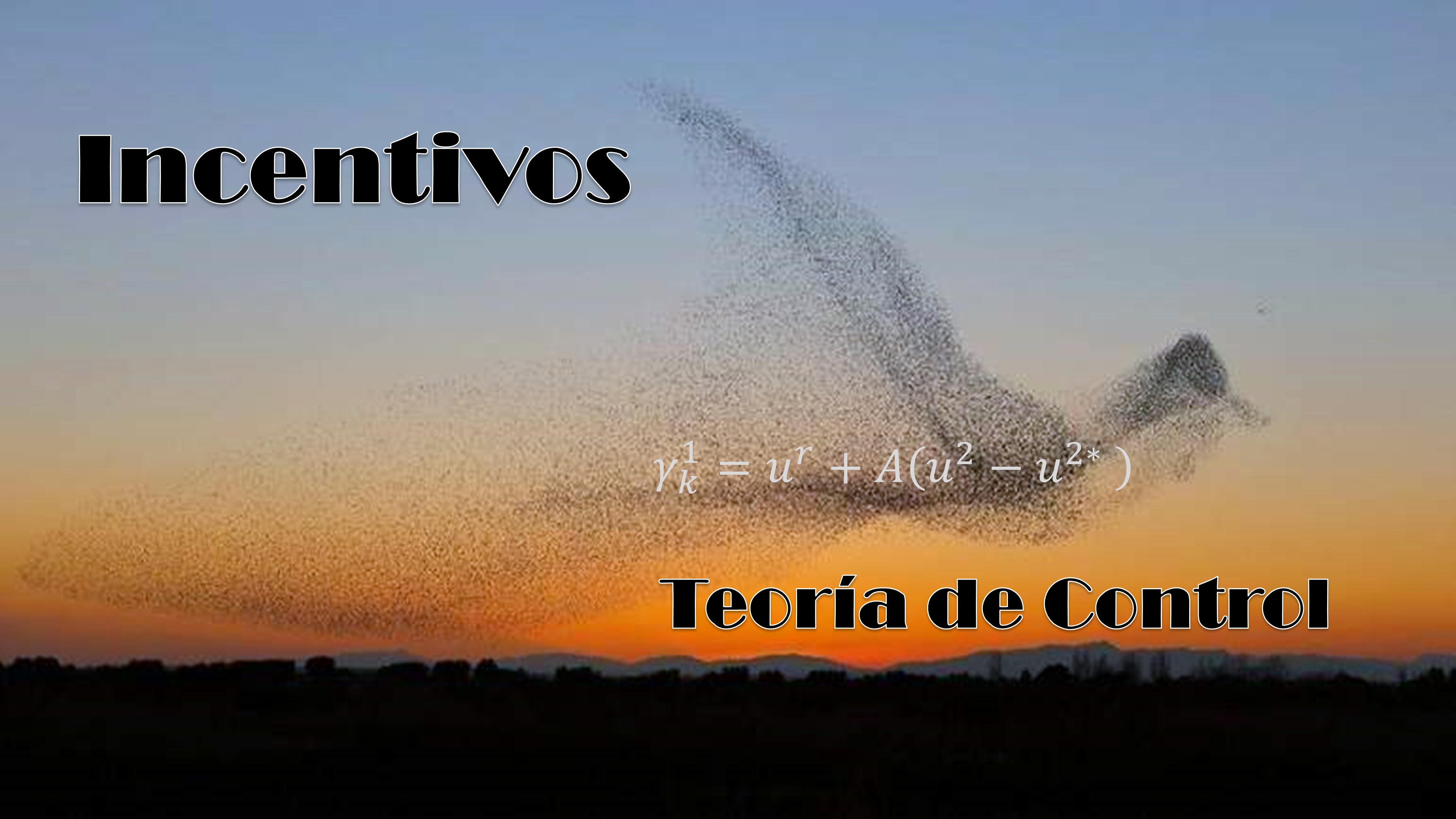
Incentivo en la teoría de control
En esta sesión el Dr. Manuel Jiménez discutirá el concepto básico del incentivo en un juego donde existe una jerarquía de dos niveles.
Leer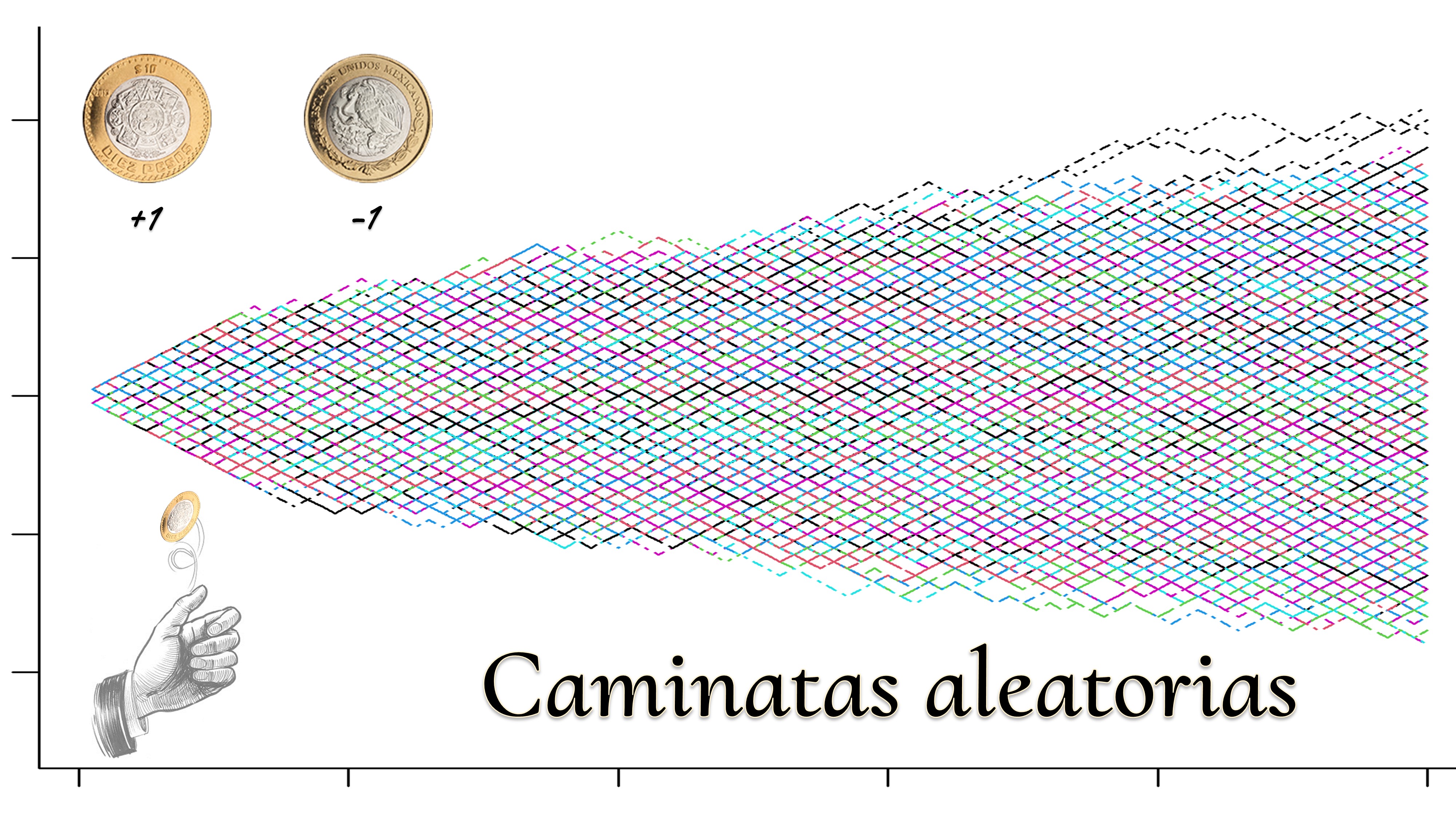
Paseos aleatorios
En esta sesión el Dr. Francisco Javier Almaguer Martínez comentará sobre los paseos aleatorios, lo que estos pueden modelar y algunos aspectos teóricos y prácticos de problemas relacionados con los mismos.
Leer
Autómatas celulares para análisis de datos
En esta sesión la M.C. Astrid González Leyva comentará sobre diferentes variantes de autómatas empleados para análisis de datos, aplicaciones, ventajas y desventajas de los mismos.
Leer
Un problema de localización e inventario
En esta sesión la Dra. Nelly Monserrat Hernández González comentará sobre un problema de localización de instalaciones considerando el inventario en éstas. Además, mostrará la formulación matemática del problema, las técnicas de solución utilizadas y la robustez de las soluciones obtenidas.
Leer
Uso de inteligencia computacional para resolver problemas altamente dimensionales
En esta sesión el Dr. Gregorio Toscano Pulido presentará una introducción al tema de la inteligencia computacional, los paradigmas asociados, así como problemas altamente dimensionales. Además, mostrará datos de interés sobre los grandes volúmenes de información que se generan actualmente cada segundo.
Leer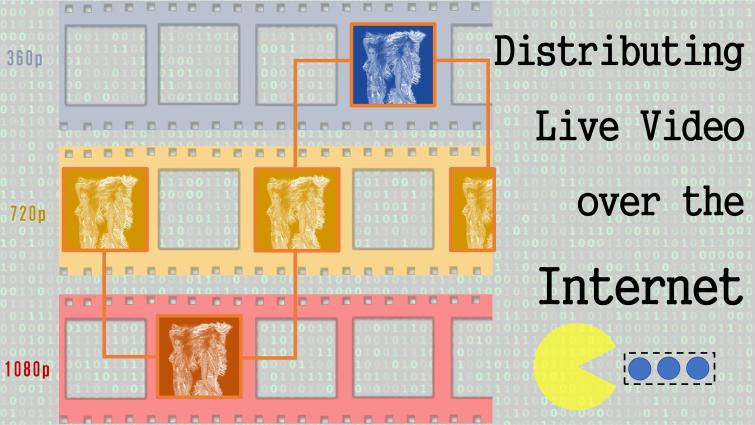
Distributing Live Video over the Internet
In this session Mr. Logan Hanks will comment about the protocol HTTP Live Streaming (HLS). How does it work, and how does it design affects the experience of live interactive events?
Leer
Evaluaciones multi-método en el contexto de la Psicología Clínica
En esta sesión la Esp. Daniela Escobedo Belloc comentará sobre las evaluaciones multi-método en el contexto de la Psicología Clínica y ejemplificará este enfoque a través de diferentes instrumentos aplicados a casos clínicos.
Leer